Wednesday, 28 November 2018

Tuesday, 27 November 2018
Thursday, 22 November 2018
Face Serum
Face Serum
You are not alone in having no earthly idea what a serum is. Even if you're the proud owner of several serums, it's not a particularly clear product on it's surface. Think of the contradictions: It's moisturizing, but you still use moisturizer. It can be oily, but it's not necessarily face oil. It can be watery, but is it essence? So many questions and we haven't even gotten to ingredient lists yet!
What is serum?
Serum is a skincare product you can apply to your skin after cleansing but before moisturizing with the intent of delivering powerful ingredients directly into the skin. Serum is particularly suited to this task because it is made up of smaller molecules that can penetrate deeply into the skin and deliver a very high concentration of active ingredients. This makes them a great tool for targeting specific skincare concerns, like wrinkles. Goodbye, signs of aging!
Serum is a skincare product you can apply to your skin after cleansing but before moisturizing with the intent of delivering powerful ingredients directly into the skin. Serum is particularly suited to this task because it is made up of smaller molecules that can penetrate deeply into the skin and deliver a very high concentration of active ingredients. This makes them a great tool for targeting specific skincare concerns, like wrinkles. Goodbye, signs of aging!
Is serum a moisturizer?
Yes and no. Serums can be chock-full of moisturizing ingredients (hyaluronic acid, ceramides) to help skin retain moisture. But, that doesn't make them moisturizers in the traditional sense. Face lotions and creams are richer and create a barrier on top of the skin to keep all that good stuff in.
Yes and no. Serums can be chock-full of moisturizing ingredients (hyaluronic acid, ceramides) to help skin retain moisture. But, that doesn't make them moisturizers in the traditional sense. Face lotions and creams are richer and create a barrier on top of the skin to keep all that good stuff in.
How often should I use my serum?
Well, this all depends on the serum. Read the label, but once a day will probably cover your bases.
Well, this all depends on the serum. Read the label, but once a day will probably cover your bases.
What's the difference between serum and face oil?
Good question. Traditional serums are water-based. Though, as the face oil trend grows (and there are more and more oils on the market), more oils are marketed as 'serums.' Office favorite Vintner's Daughter Active Botanical Serum comes to mind—it's very much a face oil. Use whichever floats your boat, with Aida Bicaj's soothing voice in your head, saying these words: "You have the water-based serums and the oil-based serums. Water-based serums go under the cream and they are so important. They nourish the inner layer of the skin because the molecule is very small so it penetrates—because of the P50, of course. The oil-based serums go on top of the moisturizer because they have a bigger molecule. They're supposed to keep the cream and whatever you put underneath moist during the entire day. There are so many products out there and everybody claims that it’s the best, so consumers are confused as to what works for them."
Good question. Traditional serums are water-based. Though, as the face oil trend grows (and there are more and more oils on the market), more oils are marketed as 'serums.' Office favorite Vintner's Daughter Active Botanical Serum comes to mind—it's very much a face oil. Use whichever floats your boat, with Aida Bicaj's soothing voice in your head, saying these words: "You have the water-based serums and the oil-based serums. Water-based serums go under the cream and they are so important. They nourish the inner layer of the skin because the molecule is very small so it penetrates—because of the P50, of course. The oil-based serums go on top of the moisturizer because they have a bigger molecule. They're supposed to keep the cream and whatever you put underneath moist during the entire day. There are so many products out there and everybody claims that it’s the best, so consumers are confused as to what works for them."
What about essence? Is essence serum?
Essentially. Based on where they come in the routine (after cleansing, before moisturizing) and what function they serve (targeted skincare needs besides simple hydration) serums and essences are very similar. If anything, they differ in texture; Serums are gooier and more concentrated, while essences are watered-down with a more fluid texture (ex. SK-II Facial Treatment Essence). However, it’s mostly a difference in marketing. In Korea, for example, Estee Lauder’s Advanced Night Repair Serum is called an “essence.”
Essentially. Based on where they come in the routine (after cleansing, before moisturizing) and what function they serve (targeted skincare needs besides simple hydration) serums and essences are very similar. If anything, they differ in texture; Serums are gooier and more concentrated, while essences are watered-down with a more fluid texture (ex. SK-II Facial Treatment Essence). However, it’s mostly a difference in marketing. In Korea, for example, Estee Lauder’s Advanced Night Repair Serum is called an “essence.”
OK but $$$$...
Yes, serums tend to be on the pricier end of the skincare spectrum. But for a pretty decent reason! Remember that bit about being super concentrated and potent? You are getting your bang for your buck here...
Yes, serums tend to be on the pricier end of the skincare spectrum. But for a pretty decent reason! Remember that bit about being super concentrated and potent? You are getting your bang for your buck here...
Doesn't serum expire really fast?
Certain potent ingredients often found in serum can become unstable once they come in contact with air. Ascorbic acid (vitamin C), for instace, can oxidize and lose efficacy over time. But thanks to science, modified versions of the ingredient (that are water-soluble, etc.) last longer so they can do your skin more good. Best rule of thumb is to store your vial in a cool, dry place (obviously) and use it up within six months to a year.
Certain potent ingredients often found in serum can become unstable once they come in contact with air. Ascorbic acid (vitamin C), for instace, can oxidize and lose efficacy over time. But thanks to science, modified versions of the ingredient (that are water-soluble, etc.) last longer so they can do your skin more good. Best rule of thumb is to store your vial in a cool, dry place (obviously) and use it up within six months to a year.
Is serum right for your skin?
Probably. Get to know your ingredients first. If you're...
Acne-prone: Look for vitamin C (increases collagen production, enhances skin’s repair process, and reduces inflammation), retinol (also an antioxidant, reduces inflammation), zinc (soothes irritation, regulates oil production), and salicylic acid (unclogs pores).
Probably. Get to know your ingredients first. If you're...
Acne-prone: Look for vitamin C (increases collagen production, enhances skin’s repair process, and reduces inflammation), retinol (also an antioxidant, reduces inflammation), zinc (soothes irritation, regulates oil production), and salicylic acid (unclogs pores).
Tuesday, 20 November 2018
Face Serum
You are not alone in having no earthly idea what a serum is. Even if you're the proud owner of several serums, it's not a particularly clear product on it's surface. Think of the contradictions: It's moisturizing, but you still use moisturizer. It can be oily, but it's not necessarily face oil. It can be watery, but is it essence? So many questions and we haven't even gotten to ingredient lists yet!
What is serum?
Serum is a skincare product you can apply to your skin after cleansing but before moisturizing with the intent of delivering powerful ingredients directly into the skin. Serum is particularly suited to this task because it is made up of smaller molecules that can penetrate deeply into the skin and deliver a very high concentration of active ingredients. This makes them a great tool for targeting specific skincare concerns, like wrinkles. Goodbye, signs of aging!
Serum is a skincare product you can apply to your skin after cleansing but before moisturizing with the intent of delivering powerful ingredients directly into the skin. Serum is particularly suited to this task because it is made up of smaller molecules that can penetrate deeply into the skin and deliver a very high concentration of active ingredients. This makes them a great tool for targeting specific skincare concerns, like wrinkles. Goodbye, signs of aging!
Is serum a moisturizer?
Yes and no. Serums can be chock-full of moisturizing ingredients (hyaluronic acid, ceramides) to help skin retain moisture. But, that doesn't make them moisturizers in the traditional sense. Face lotions and creams are richer and create a barrier on top of the skin to keep all that good stuff in.
Yes and no. Serums can be chock-full of moisturizing ingredients (hyaluronic acid, ceramides) to help skin retain moisture. But, that doesn't make them moisturizers in the traditional sense. Face lotions and creams are richer and create a barrier on top of the skin to keep all that good stuff in.
How often should I use my serum?
Well, this all depends on the serum. Read the label, but once a day will probably cover your bases.
Well, this all depends on the serum. Read the label, but once a day will probably cover your bases.
What's the difference between serum and face oil?
Good question. Traditional serums are water-based. Though, as the face oil trend grows (and there are more and more oils on the market), more oils are marketed as 'serums.' Office favorite Vintner's Daughter Active Botanical Serum comes to mind—it's very much a face oil. Use whichever floats your boat, with Aida Bicaj's soothing voice in your head, saying these words: "You have the water-based serums and the oil-based serums. Water-based serums go under the cream and they are so important. They nourish the inner layer of the skin because the molecule is very small so it penetrates—because of the P50, of course. The oil-based serums go on top of the moisturizer because they have a bigger molecule. They're supposed to keep the cream and whatever you put underneath moist during the entire day. There are so many products out there and everybody claims that it’s the best, so consumers are confused as to what works for them."
Good question. Traditional serums are water-based. Though, as the face oil trend grows (and there are more and more oils on the market), more oils are marketed as 'serums.' Office favorite Vintner's Daughter Active Botanical Serum comes to mind—it's very much a face oil. Use whichever floats your boat, with Aida Bicaj's soothing voice in your head, saying these words: "You have the water-based serums and the oil-based serums. Water-based serums go under the cream and they are so important. They nourish the inner layer of the skin because the molecule is very small so it penetrates—because of the P50, of course. The oil-based serums go on top of the moisturizer because they have a bigger molecule. They're supposed to keep the cream and whatever you put underneath moist during the entire day. There are so many products out there and everybody claims that it’s the best, so consumers are confused as to what works for them."
What about essence? Is essence serum?
Essentially. Based on where they come in the routine (after cleansing, before moisturizing) and what function they serve (targeted skincare needs besides simple hydration) serums and essences are very similar. If anything, they differ in texture; Serums are gooier and more concentrated, while essences are watered-down with a more fluid texture (ex. SK-II Facial Treatment Essence). However, it’s mostly a difference in marketing. In Korea, for example, Estee Lauder’s Advanced Night Repair Serum is called an “essence.”
Essentially. Based on where they come in the routine (after cleansing, before moisturizing) and what function they serve (targeted skincare needs besides simple hydration) serums and essences are very similar. If anything, they differ in texture; Serums are gooier and more concentrated, while essences are watered-down with a more fluid texture (ex. SK-II Facial Treatment Essence). However, it’s mostly a difference in marketing. In Korea, for example, Estee Lauder’s Advanced Night Repair Serum is called an “essence.”
OK but $$$$...
Yes, serums tend to be on the pricier end of the skincare spectrum. But for a pretty decent reason! Remember that bit about being super concentrated and potent? You are getting your bang for your buck here...
Yes, serums tend to be on the pricier end of the skincare spectrum. But for a pretty decent reason! Remember that bit about being super concentrated and potent? You are getting your bang for your buck here...
Doesn't serum expire really fast?
Certain potent ingredients often found in serum can become unstable once they come in contact with air. Ascorbic acid (vitamin C), for instace, can oxidize and lose efficacy over time. But thanks to science, modified versions of the ingredient (that are water-soluble, etc.) last longer so they can do your skin more good. Best rule of thumb is to store your vial in a cool, dry place (obviously) and use it up within six months to a year.
Certain potent ingredients often found in serum can become unstable once they come in contact with air. Ascorbic acid (vitamin C), for instace, can oxidize and lose efficacy over time. But thanks to science, modified versions of the ingredient (that are water-soluble, etc.) last longer so they can do your skin more good. Best rule of thumb is to store your vial in a cool, dry place (obviously) and use it up within six months to a year.
Is serum right for your skin?
Probably. Get to know your ingredients first. If you're...
Acne-prone: Look for vitamin C (increases collagen production, enhances skin’s repair process, and reduces inflammation), retinol (also an antioxidant, reduces inflammation), zinc (soothes irritation, regulates oil production), and salicylic acid (unclogs pores).
Probably. Get to know your ingredients first. If you're...
Acne-prone: Look for vitamin C (increases collagen production, enhances skin’s repair process, and reduces inflammation), retinol (also an antioxidant, reduces inflammation), zinc (soothes irritation, regulates oil production), and salicylic acid (unclogs pores).
Sunday, 18 November 2018
when a girl who hates kids
What happens when a girl who hates kids has to babysit them for the whole day?
Since there are little or no chances of any of my five- and six-year-old cousins and nieces or nephews reading this, I deem it safe to admit here that I hate being in the company of kids.
I do not like to acknowledge this, but I’m not blessed with the patience one needs to answer their many queries. Last weekend, though, I ran out of luck when my sisters-in-law decided to go on a shopping spree and leave their kids in my care.
So here I was, on a beautiful Saturday, dealing with the tantrums of three little monsters. The best thing about being a kid is that you can come up with an idea of doing anything, anytime, regardless of how strange, insane or difficult it may be for the elders to fulfill it. So out-of-the-blue, the kids made a plan to go swimming, followed by a trip to the nearby kid’s park and then retire to their favourite ice-cream place.
Nothing I said or did deterred them. Giving in was my only option. But little did I know that this ‘day out’ I was so upset about would turn out to be legendary. The beautiful thing about being with kids, as I found out that day, is that their innocence and happiness is so contagious that it will rub off on you. That’s what happened to me. I found myself enjoying the day without a care in the world, a feeling most of us as adults can’t relate to anymore.
At the end of the day, it’s not about the places you go to or the things you do, but the way you take pleasure in just being yourself and losing yourself in the moment that makes life magical.
Friday, 16 November 2018
lipglows
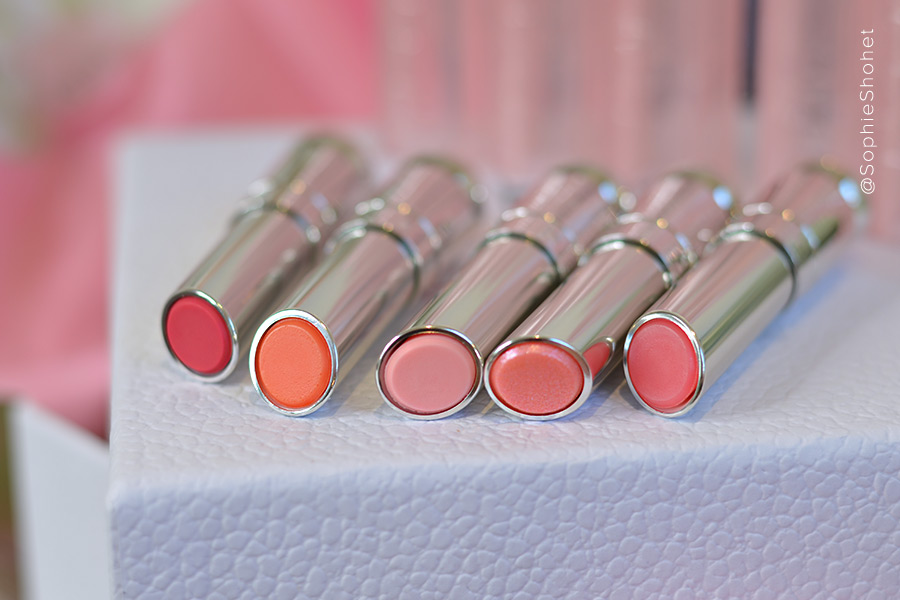
wow, well this is not a product I would EVER have thought I’d be raving about! You see, I pretty much live in nude, matte lipsticks – I don’t especially love the shape of my lips (without a liner and full coverage lipstick to define them), so a sheer lip colour would not be something I would ever normally consider. Additionally, I would never normally wear any colour besides 'nude'. So when Dior gave me the opportunity to try-out 5 of their 10 new colours and finishes, I was skeptical as to how I'd get on.....
It's now been 3 weeks and I have worn a Lip Glow every day, with and without a lip liner. I have eaten, drunk, gone to the gym, gone to work - I've even gone to the sauna wearing a Lip Glow - so that I could see if these are as good as they claim to be.
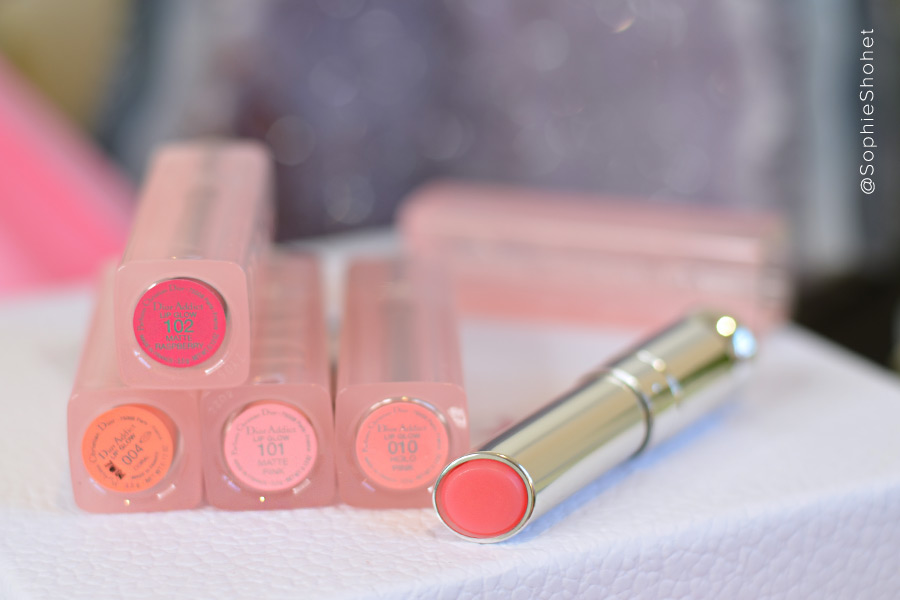
Above: "Ultra-Pink" Lip Glow (without the lid)
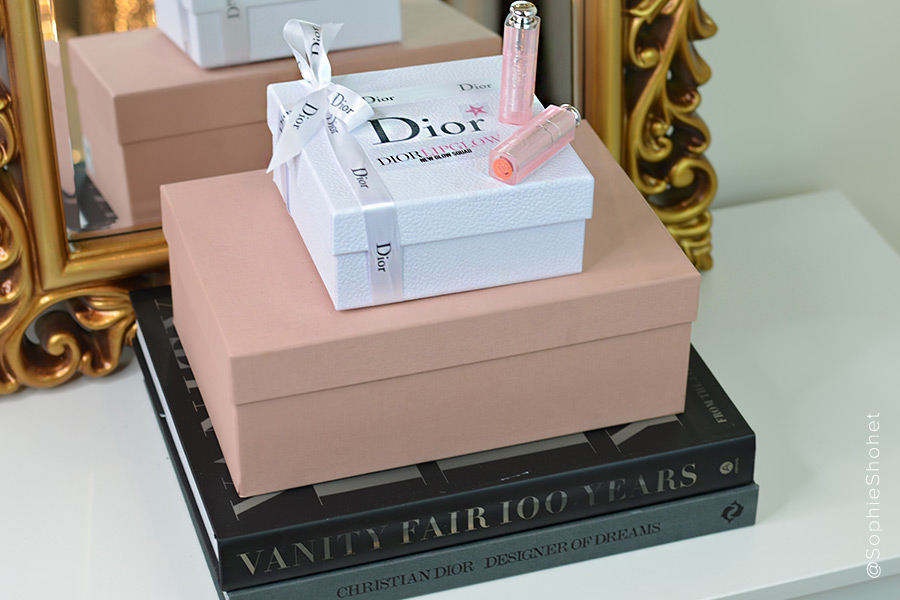
"...the new shades are an expansion on what already exists and are now said to cater for every skin tone. This means that whatever your skin colour, there will be Lip Glows to suit you."
Dior’s Lip Glows aren’t new - first launched in 2009 they are in layman’s terms, an inked balm, allowing you to add colour with lip caring properties.
The formula contains what Dior call “Color Reviver” technology. What this means is that each colour reacts to the unique PH of your lips, and as such, every colour will look different person-to-person.
So why have Dior brought out new colours? What's changed? Well, firstly the new shades are an expansion on what already exists and are now said to cater for every skin tone. This means that whatever your skin colour, there will be Lip Glows to suit you.
But it doesn't stop there, whilst creating the new colours, three new formulas were discovered: Matte, Holographic & Satin.
The concept: to enable a hassle-free, natural look, with application so simple that you don't need a mirror to apply.
"...each colour reacts to the unique PH of your lips, and as such, everycolour will look different person-to-person."
So, do I think they’re worth it and how did I find them?
They are all very sheer; one slick applies a lovely natural glow. Something that would be perfect for the gym, beach, supermarket… A few additional swipes and you have a colour that is buildable and more intense.
I have to say that I found this product really beneficial whilst enjoying a day at the gym and spa. I like to wear a little makeup to the gym; mascara and lipstick are my two essentials. I don't like the natural shape of my lips and so wouldn't wear a balm only, but a heavily lined lip when you have no makeup on can look weird. That's where I found the Lip Glows helpful - they added a touch of colour and definition without being as dramatic as lipstick, plus gave long-lasting hydration, even in the sauna (where I'd normally wear a balm anyway).
Wednesday, 14 November 2018
Subscribe to:
Posts (Atom)